


- Up to 95% of a company’s carbon footprint originates in its supply chain, not its own operations.
- The EU CSDDD (2024) and CSRD create binding legal due diligence obligations — non-compliance means penalties and market exclusion.
- Source to Pay platforms Mekari Officeless centralize vendor qualification, automate compliance workflows, and generate audit-ready trails at scale.
Most businesses believe their supply chains are clean — until a labor violation, regulatory notice, or ESG audit demand proves otherwise. The real risk doesn’t sit in your own operations; it lives several tiers deep in supplier networks you can’t fully see.
Up to 95% of a company’s carbon footprint originates in its supply chain (Ivalua). This guide covers what responsible sourcing means, its core pillars, and how to operationalize it.
What is Responsible Sourcing?
Responsible sourcing is the practice of procuring materials, products, and services in a way that balances business needs with ethical, social, and environmental responsibility. It goes beyond cost, quality, and delivery by considering the impact of sourcing decisions on people and the planet.
Key aspects include:
- Respecting human rights and fair labor practices
- Reducing environmental impacts and carbon emissions
- Protecting biodiversity and natural resources
- Supporting fair economic development
- Promoting ethical and transparent business conduct
Responsible sourcing applies across the entire supply chain, including raw materials, manufacturing, logistics, packaging, and business services. Closely linked to Corporate Social Responsibility (CSR), it helps organizations build more sustainable and resilient supply chains while minimizing negative impacts on society and the environment.
Responsible Sourcing vs. Ethical Sourcing vs. Sustainable Sourcing
These three terms are often used interchangeably — and that imprecision creates real risk. There isn’t an official, agreed-upon distinction between the terms “responsible sourcing,” “ethical sourcing,” and “sustainable sourcing.”
However, the term:
- Ethical sourcing: Focuses on social concerns and working conditions within supply chains, and may not include environmental areas.
- Sustainable sourcing: Tends to focus on the environmental impacts of a supply chain.
Responsible sourcing is an umbrella term that usually refers to aspects of both ethical and sustainable sourcing.
| Term | Primary Focus | Scope |
|---|---|---|
| Ethical Sourcing | Social & labor | Supplier operations |
| Sustainable Sourcing | Environmental | Resource lifecycle |
| Responsible Sourcing | Environmental + Social + Governance | Full supply chain |
The Three Pillars of Responsible Sourcing
The responsible sourcing framework is built on three core pillars:
1. Environmental Safeguards
Focuses on reducing environmental impacts across the supply chain, including carbon emissions, waste, water use, deforestation, and biodiversity loss. Since much of a company’s footprint comes from suppliers, improving supplier practices is key to meeting sustainability goals.
2. Social and Ethical Safeguards
Ensures respect for human rights and fair labor practices throughout the supply chain. This includes preventing forced and child labor, providing safe working conditions and fair wages, and protecting the rights of workers and local communities.
3. Governance and Compliance
Establishes systems to monitor and enforce responsible sourcing commitments. Common measures include supplier codes of conduct, audits, grievance mechanisms, and compliance with ESG reporting and regulatory requirements.
Why Responsible Sourcing Matters More Than Ever in 2026
As regulatory requirements tighten and stakeholder expectations rise, responsible sourcing has become a business imperative rather than a voluntary sustainability initiative.
In 2026, organizations face growing pressure to manage supply chain risks, ensure compliance, and demonstrate their ESG commitments.
- Regulation is now binding. The EU CSDDD (2024), CSRD, and various Modern Slavery Acts mean supply chain due diligence is no longer optional. Non-compliance brings penalties and market exclusion.
- Risk is everywhere. LRQA’s 2024 Supply Chain ESG Risk Outlook found that over half of sourcing countries are labeled high or extreme risk — including markets traditionally considered safe.
- Investors and consumers are watching. ESG performance increasingly influences capital allocation. Brands unable to demonstrate responsible sourcing lose contracts, capital, and consumer trust.
Real-World Examples of Responsible Sourcing
These examples share a common thread: responsible sourcing is not a cost center but a strategic capability. Each company is using procurement governance to reduce risk, build brand equity, and meet stakeholder expectations simultaneously.
Apple: Circular Materials Strategy
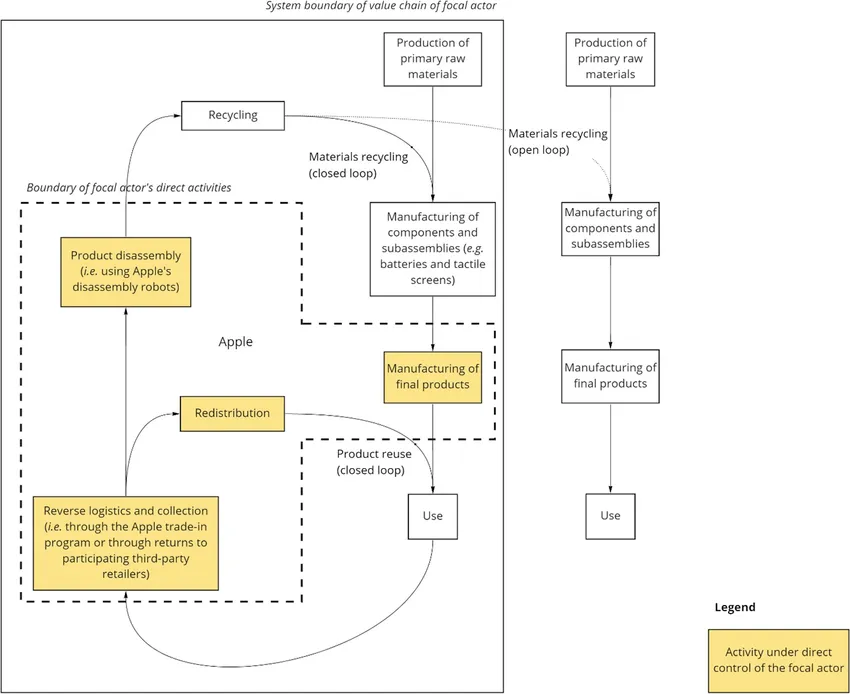
Apple is actively working to reduce its environmental impact by changing how it sources raw materials. By 2026, the company plans to use 100% recycled cobalt in all of its device batteries. Already, Apple sources most of its rare earth elements and aluminum from recycled content. Responsible sourcing, in this case, means choosing environmentally sustainable materials that reduce waste and carbon emissions.
Nestlé: Income Accelerator Program
Nestlé has implemented a responsible sourcing initiative called the Income Accelerator Program. This program focuses on helping cocoa-farming families in West Africa by offering financial incentives for keeping children in school and using sustainable agricultural practices. This initiative helps reduce child labor in the supply chain while improving the income of farmers.
H&M: Blockchain-Based Traceability
H&M is improving transparency in its supply chain by using a blockchain-based platform called TextileGenesis. This system helps the company trace the journey of raw materials — such as viscose and recycled polyester — from their source all the way to the final product. This kind of traceability infrastructure is increasingly expected, not exceptional.
These examples share a common thread: responsible sourcing is not a cost center but a strategic capability. Each company is using procurement governance to reduce risk, build brand equity, and meet stakeholder expectations simultaneously.
How to Build a Responsible Sourcing Program — Step by Step
Building a responsible sourcing program requires integrating sustainability, ethics, and compliance into everyday procurement processes. The following steps provide a practical framework for implementation:
Step 1: Define Scope and Set Goals
Identify the environmental, social, and governance (ESG) priorities most relevant to your business, and establish clear, measurable targets to track progress.
Step 2: Map Your Supply Chain
Gain visibility into suppliers across all tiers to identify potential environmental, labor, and compliance risks throughout the supply chain.
Step 3: Develop a Supplier Code of Conduct
Set clear expectations for labor standards, environmental practices, ethical conduct, and regulatory compliance, and make them part of supplier agreements.
Step 4: Conduct Risk Assessments and Audits
Evaluate suppliers based on factors such as geography, industry, and risk exposure. Use assessments and audits to identify issues and verify compliance.
Step 5: Establish Corrective Action Plans
When problems are identified, work with suppliers to implement improvements within defined timelines and monitor progress.
Step 6: Integrate Responsible Sourcing into Vendor Selection
Include sustainability and ethical criteria alongside cost, quality, and performance when evaluating and selecting suppliers.
Step 7: Monitor, Report, and Improve
Track supplier performance, measure progress against ESG goals, and continuously refine your responsible sourcing strategy to address emerging risks and requirements.
Common Challenges and How to Address Them
While the benefits of responsible sourcing are clear, implementing and maintaining an effective program can present several operational, financial, and compliance challenges. Understanding these obstacles is the first step toward addressing them successfully.
- Limited Tier-1+ visibility. Most companies can see their direct suppliers but not beyond. Risk-based audit prioritization and supply chain mapping software close this gap.
- Fragmented data. Supplier information scattered across emails, spreadsheets, and departments can’t be audited. A unified procurement platform creates one searchable, verifiable record.
- Audit fatigue. Overlapping certifications burden suppliers with dozens of audits per year. Joining industry-shared programs like Sedex or SMETA reduces duplication without sacrificing rigor.
- Cost pressure. Responsible sourcing requires upfront investment — but the risk-adjusted ROI is clear. One supply chain scandal or regulatory penalty costs more than years of preventive due diligence.
- Regulatory complexity. Requirements vary by jurisdiction and change fast. Regulatory tracking tools and specialized legal counsel are increasingly necessary for cross-border operations.
How eProcurement Technology Enables Responsible Sourcing at Scale
Manual processes — email chains, spreadsheets, disconnected approvals — can’t support responsible sourcing governance. You can’t manage what you can’t see.
eProcurement platforms create a single, auditable system of record for every vendor interaction, purchasing decision, and compliance checkpoint. Key capabilities include:
- Centralized vendor database with qualification status, certification expiry, and performance scores
- Automated compliance workflows requiring due diligence docs before a supplier is activated
- Multi-level approval flows for high-risk or high-value procurement
- Audit-ready records — every action time-stamped and traceable
- Spend analytics surfacing concentration risk and off-contract spending in real time
Continuous, automated, auditable monitoring is the standard. Integrated procurement technology makes it achievable without blockchain-level complexity.
How Mekari Officeless Supports Responsible Procurement
Managing vendor relationships, compliance documentation, and procurement approvals across disconnected tools creates exactly the kind of fragmented, invisible supply chain that responsible sourcing programs are designed to fix.
Mekari Officeless is a platform to democratize business app creation, workflow automation, and analytics across Indonesia by empowering teams to build and supporting organizations to scale by generating innovative idea solutions.
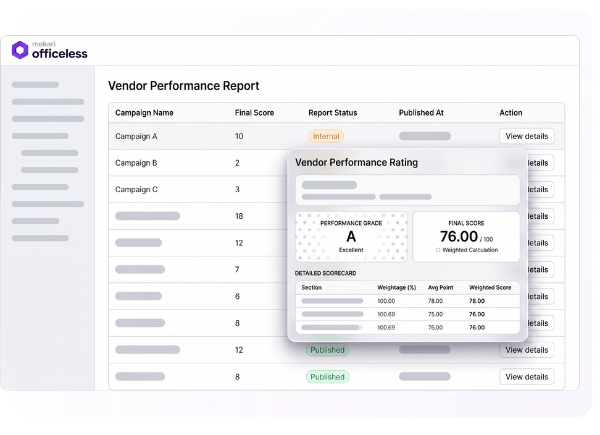
Offering enterprise-grade eProcurement, Indonesian businesses can manage complex procurement operations — with the governance infrastructure responsible sourcing requires.
Key capabilities for responsible sourcing:
- Vendor Management System: Maintain a qualified vendor database with performance scoring, certification tracking, and qualification status — ensuring you only transact with vetted, compliant suppliers.
- E-Sourcing and Vendor Bidding: Run structured, documented sourcing events that create a clear record of how suppliers were evaluated and selected.
- Customizable Approval Workflows: Configure multi-level approval flows that reflect your internal governance policy — including responsible sourcing checkpoints for new vendor onboarding.
- Contract and Quotation Management: Embed supplier code of conduct requirements and ESG criteria directly into contract structures.
- Real-Time Reporting and Analytics: Monitor procurement activity, supplier performance, and spending patterns with dashboards built for compliance and governance.
- Mekari Ecosystem Integration: Connect with Mekari Jurnal for financial reporting, Mekari Expense for spend control, and Mekari Sign for contract authorization — creating end-to-end procurement governance in one ecosystem.
Ready to build a procurement program your auditors, investors, and stakeholders can trust? Explore Mekari Officeless eProcurement.