


An automated sales funnel tool is software that helps businesses manage leads, automate follow-ups, track sales activities, and move prospects through the buying journey with less manual work.
Here are a few recommendations to consider, depending on your team size, sales process, communication channels, and automation needs.
- Mekari Officeless Qontak Plugin: Best for Indonesian enterprises needing CRM, omnichannel, and workflow automation.
- ActiveCampaign: Best for SMBs needing CRM, email automation, lead scoring, and pipeline automation.
- Brevo: Best for SMBs and growing B2B teams needing affordable omnichannel automation.
- HubSpot Sales Hub: Best for B2B teams needing scalable CRM, prospecting, deal automation, and reporting.
- Klaviyo: Best for teams needing behavior-based nurturing, advanced segmentation, and personalized campaigns.
- Pipedrive: Best for B2B sales teams needing simple visual pipeline and follow-up automation.
- Salesforce Sales Cloud: Best for enterprises needing AI-powered CRM, forecasting, and advanced automation.
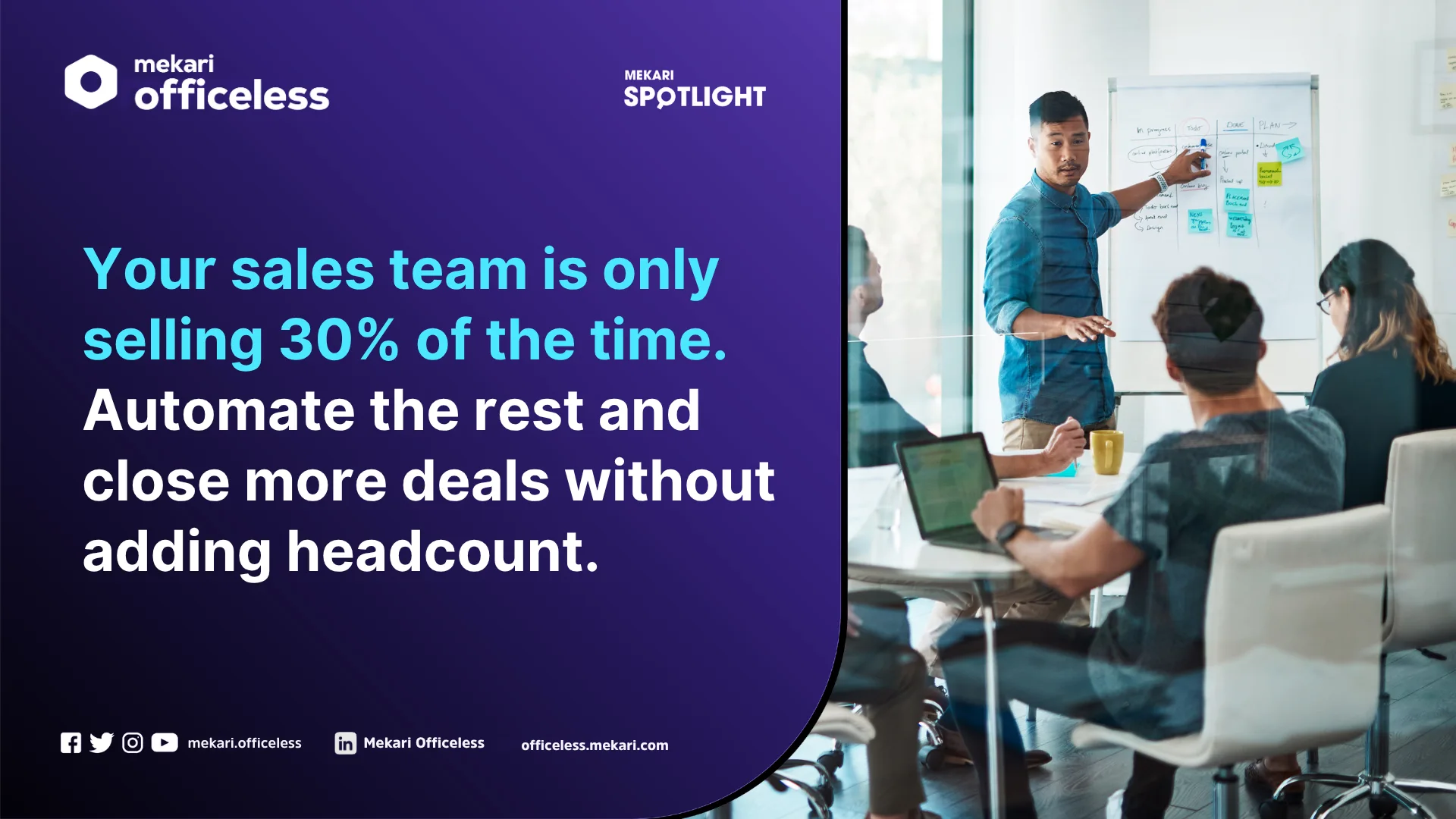
Sales teams are busier than ever, but not always with selling. In fact, reps spend only 28% of their time actively selling, while the rest goes to manual prospecting, follow-ups, and data entry (Sales Motion).
That is where an automated sales system can make a real difference. By streamlining lead capture, nurturing, prospecting, and follow-up, businesses can keep prospects moving without adding more workload.
In this guide, we will explore the best automated sales systems, how they work, and how they help deliver more sales-ready leads.
What are automated sales funnels?
An automated sales funnel is a system that uses software to guide prospects through the buying journey, from first awareness to closed deal, with minimal manual work.
Instead of sales reps chasing every lead by hand, automation helps trigger emails, route qualified leads, score prospects, schedule follow-ups, and update CRM stages based on predefined rules or customer behavior.
In this topic, there are three related terms to understand:
- Automated sales funnels: The full system that connects lead capture, nurturing, qualification, follow-up, closing, and retention.
- Automated sales funnel creation: The process of building the funnel, from mapping the customer journey to setting up tools, triggers, and workflows.
- Automated sales prospecting: The top-of-funnel activity that finds and qualifies potential leads before they move deeper into the sales process.
Automation can support every funnel stage, including awareness through forms, ads, and chatbots, interest through nurturing emails, consideration through lead scoring, intent through demo scheduling and follow-up triggers, close through CRM updates and contract workflows, and retention through onboarding or upsell campaigns.
This matters because 68% of companies have not identified or attempted to measure their sales funnel, according to PassiveSecrets. With automation, businesses gain clearer visibility into each stage, making it easier to spot where leads drop off and improve the process over time.
5 Reasons businesses need automated sales funnels
Automated sales funnels help businesses reduce manual work, improve lead quality, and keep opportunities moving through the pipeline. Here are five reasons why they matter.
1. Sales reps are losing most of their day to non-selling tasks
Many sales teams struggle because reps spend too much time on admin instead of selling. Tasks like CRM updates, manual follow-ups, lead routing, and data entry may seem small, but they can take hours away from revenue-generating conversations.
Salesforce 2024 data reports that sales reps spend only 30% of their time actively selling, while Gartner estimates up to 50% of rep time goes to admin work.
2. AI-powered automation saves more than 2 hours per rep per day
Automation gives sales reps more room to focus on meaningful conversations. By reducing repetitive work, teams can spend more time calling prospects, preparing demos, sending proposals, and following up on high-value opportunities.
HubSpot 2024 data found that AI tools save sales professionals around 2 hours per day on average, while 64% of reps save between 1 and 5 hours weekly through automation.
3. Automated prospecting delivers 50% more sales-ready leads
Automated sales prospecting helps teams focus on better-fit prospects instead of chasing broad, unqualified lists. With targeting, scoring, and outreach automation, sales teams can prioritize leads that are more likely to respond and convert.
Salesforce data shows that AI-powered lead generation can deliver 50% more sales-ready leads and reduce acquisition costs by 60%.
4. Poor nurturing causes most leads to never convert
Not every lead is ready to buy right away. Without consistent nurturing, prospects can lose interest, forget the brand, or choose a competitor that follows up faster. Automation helps keep communication timely and relevant until leads are ready to move forward.
Dashly reports that 79% of acquired leads never convert to sales due to inadequate nurturing.
5. Automation reduces non-selling time by up to 66%
A strong automated sales funnel creates a more consistent process for the whole team. Leads are tracked properly, follow-ups happen on time, and reps can spend more energy on relationship-building and closing deals instead of repetitive operational tasks.
Flowlu sales statistics show that automation platforms with built-in workflow engines can reduce time spent on non-selling tasks by up to 66%.
Top automated sales funnel tools
Below are some leading automated sales funnel tools for B2B teams, listed in alphabetical order.
Each platform is selected based on native CRM integration, omnichannel coverage, workflow flexibility, AI capabilities, ease of deployment, local support, and total cost of ownership.
ActiveCampaign: Best for SMBs needing CRM and marketing automation in one platform
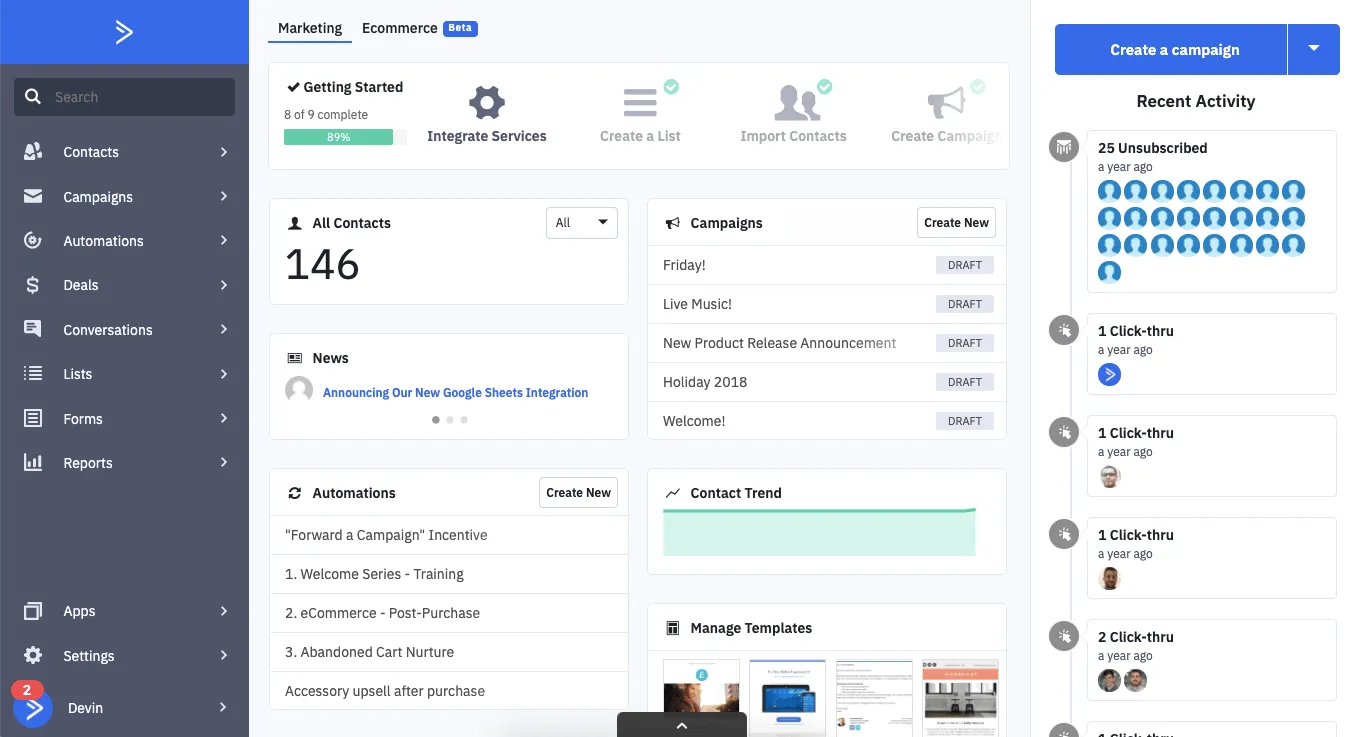
ActiveCampaign combines CRM, email marketing, automation workflows, lead scoring, and pipeline management in one system. It is well-suited for SMBs that want to automate lead nurturing and sales follow-ups without managing too many separate tools.
Key features:
- Email automation: Helps teams create automated email sequences for lead nurturing, follow-ups, re-engagement, and customer communication.
- Lead scoring: Prioritizes prospects based on behavior, engagement, and predefined qualification rules.
- CRM and pipeline automation: Supports deal tracking, task creation, and automated movement across sales stages.
- Customer segmentation: Allows businesses to group leads based on interest, behavior, source, or sales readiness.
- Sales task automation: Helps reps stay on top of follow-ups, calls, and deal-related activities.
Best for: SMBs that need an all-in-one sales and marketing automation platform.
Brevo: Best for omnichannel sales and marketing automation
Brevo, formerly Sendinblue, supports multi-channel automation across email, SMS, WhatsApp, live chat, and CRM workflows. It is a strong option for businesses that want broad communication coverage at a competitive price point.
Key features:
- Email and SMS automation: Enables automated campaigns, reminders, follow-ups, and lead nurturing flows.
- WhatsApp campaigns: Helps businesses reach prospects and customers through direct messaging.
- Live chat: Supports real-time website conversations and lead capture.
- CRM tools: Allows teams to manage contacts, track opportunities, and organize sales activities.
- Segmentation: Helps personalize communication based on behavior, profile, or campaign engagement.
- Marketing analytics: Tracks campaign performance to improve future outreach.
Best for: SMBs and growing B2B teams that need affordable omnichannel automation.
HubSpot Sales Hub: Best for end-to-end B2B sales automation
HubSpot Sales Hub is an end-to-end CRM and sales automation platform with tools for prospecting, email sequences, deal automation, lead scoring, and AI-supported sales workflows. It is one of the most widely adopted platforms for B2B teams.
Key features:
- CRM integration: Centralizes contact, company, deal, and activity data in one platform.
- Email sequences: Automates personalized follow-ups for prospects and leads.
- Prospecting tools: Helps sales teams identify, manage, and engage potential customers.
- Deal pipeline automation: Automates deal stage updates, task assignments, and follow-up reminders.
- AI-powered lead scoring: Helps prioritize prospects based on fit and engagement.
- Reporting dashboards: Tracks sales activity, pipeline performance, and conversion trends.
Best for: B2B teams that need a scalable CRM with strong sales automation and reporting.
Klaviyo: Best for behavior-driven nurture sequences
Klaviyo is known for behavior-based automation and advanced segmentation. While widely used in e-commerce, it is also useful for B2B teams that need detailed behavioral triggers for lead nurturing and lifecycle communication.
Key features:
- Advanced segmentation: Groups prospects based on behavior, engagement, lifecycle stage, or profile data.
- Behavior-triggered automation: Sends messages based on website activity, email engagement, form submissions, or customer actions.
- Email and SMS campaigns: Supports multi-channel nurturing and follow-up workflows.
- Personalized messaging: Helps tailor content based on prospect behavior and preferences.
- Analytics and attribution: Tracks campaign impact and customer engagement across journeys.
Best for: Teams that need detailed segmentation and behavior-based nurturing workflows.
Mekari Officeless Qontak CRM & Omnichannel Plugin: Best for Indonesian enterprises
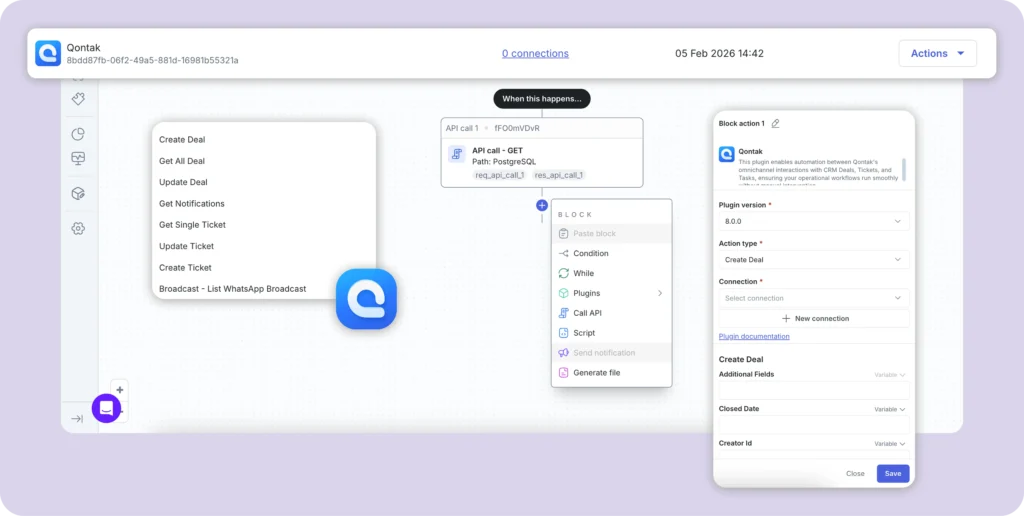
Mekari Officeless, through the Qontak CRM & Omnichannel Plugin, enables automation between Qontak’s omnichannel interactions and broader operational workflows.
It helps businesses connect CRM deals, tickets, tasks, and internal processes so workflows can run with less manual intervention.
Key features:
- Automatic record creation: Instantly generate CRM deals, tickets, or tasks from incoming messages.
- Cross-channel integration: Sync data from WhatsApp, Instagram, Facebook, and web forms directly into your workflow.
- Dynamic follow-ups: Trigger scheduled messaging based on CRM deal movement or time-based conditions.
- Real-time status updates: Automatically move deals through stages or update ticket priorities via workflow triggers.
- Smart summarization: Convert chat context into structured ticket data without manual re-typing.
Supported use cases:
- Automated lead follow-up: Sends scheduled WhatsApp reminders and moves inactive leads through CRM stages automatically.
- Calendar and task sync: Syncs CRM tasks with calendar events so follow-ups, visits, and meetings stay on schedule.
- Instant form-to-lead capture: Turns online form submissions into CRM contacts and deals for faster response.
- Chat-to-ticket conversion: Converts qualified customer chats into structured support tickets.
- Lead generation from chat: Turns qualified inbound chats into CRM contacts and deals without manual data entry.
Best for: Indonesian enterprises that need CRM, omnichannel engagement, and operational workflow automation in one connected ecosystem.
Pipedrive: Best for visual B2B pipeline management
Pipedrive is a pipeline-focused CRM designed to help sales teams manage deals, activities, and follow-ups in a simple visual interface. It is popular among B2B teams that want straightforward sales automation without unnecessary complexity.
Key features:
- Visual sales pipeline: Helps teams track deals clearly across each sales stage.
- Deal automation: Automates deal movement, task creation, and follow-up reminders.
- Activity-based selling: Keeps reps focused on calls, meetings, emails, and next steps.
- Email integration: Connects sales communication with pipeline activity.
- Sales reporting: Tracks performance, activities, and deal progress.
- Workflow automation: Supports repetitive sales process automation based on triggers and conditions.
Best for: B2B sales teams that want a simple, visual CRM for pipeline and follow-up automation.
Salesforce Sales Cloud: Best for complex enterprise sales operations
Salesforce Sales Cloud is an enterprise-grade CRM built for complex sales teams, multi-stage pipelines, and large-scale automation. With Einstein AI, it supports predictive lead scoring, opportunity insights, and advanced workflow automation.
Key features:
- Enterprise CRM: Centralizes accounts, contacts, leads, opportunities, and sales activities.
- Einstein AI: Supports predictive lead scoring, sales forecasting, and opportunity insights.
- Workflow automation: Automates approvals, assignments, notifications, and deal processes.
- Pipeline and forecasting tools: Helps sales leaders track revenue performance and pipeline health.
- Customizable dashboards: Allows teams to monitor metrics based on role, region, team, or business unit.
- Third-party integrations: Connects with a wide range of business, marketing, service, and analytics tools.
Best for: Enterprises with complex sales processes, multiple teams, and advanced CRM automation needs.
How Mekari Officeless Qontak Plugin can automate your sales funnel
A strong automated sales funnel needs more than email sequences or CRM reminders. It needs a connected workflow that keeps every lead interaction, sales task, and deal update moving across teams without manual handoffs.
Mekari Officeless Qontak CRM & Omnichannel Plugin, Indonesian businesses can automate sales workflows from omnichannel interactions into CRM deals, tickets, and tasks.
Here are the key ways it helps automate your sales funnel:
- Omnichannel CRM automation: Automates workflows between Qontak’s omnichannel interactions, including WhatsApp, email, phone, and social media, with CRM deals, tickets, and tasks so no lead interaction falls through the cracks.
- Deal and ticket workflow integration: Sales conversations from different channels can automatically create or update CRM deals and support tickets, keeping pipeline data accurate without repetitive manual entry.
- Task automation: Follow-up tasks, notifications, and assignments can be triggered automatically based on customer interactions, helping reps focus on selling instead of admin work.
- Operational continuity: Defined triggers help sales and operational workflows run smoothly across channels and departments without manual intervention.
- Enterprise-grade platform: Mekari Officeless is built for Indonesian enterprises that need scalability, compliance, and integration depth for complex sales operations.
Ready to automate your sales funnel from first contact to deal close? Explore the Mekari Officeless Qontak CRM & Omnichannel Plugin and see how automation can eliminate manual bottlenecks across your sales workflow.
References and methodology
Methodology
Methodology
Articles published by Mekari Officeless are developed using trusted sources, including official data, company reports, academic research, and insights from industry practitioners. Whenever possible, we refer directly to primary sources before drawing conclusions. Our editorial team reviews and verifies the information to ensure accuracy and relevance. All references are listed so readers can trace each piece of information back to its original source.
Our editorial standards
Our editorial standards
- Primary source first: We consult official product documentation and pricing pages directly, not secondhand summaries or aggregator sites.
- Fact-checking: All product features, pricing, and claims are cross-verified against each platform’s official website at the time of writing.
- No paid placement: Tools are selected based on relevance and fit for Indonesian businesses, not commercial arrangements. Mekari Officeless is included as a first-party product and is transparently labeled as such.
- Regular review: Articles are periodically updated to reflect product changes or shifts in market relevance.
References
References
Dashly. ‘’Sales Funnel Statistics: Your Ultimate Guide to Boosting Your Company Growth’’
Hubspot. ‘’37 Stats That Make the Case for Sales Automation in 2024’’
PassiveSecrets. ‘’80+ Useful Sales Funnel Statistics & Conversion Rates’’